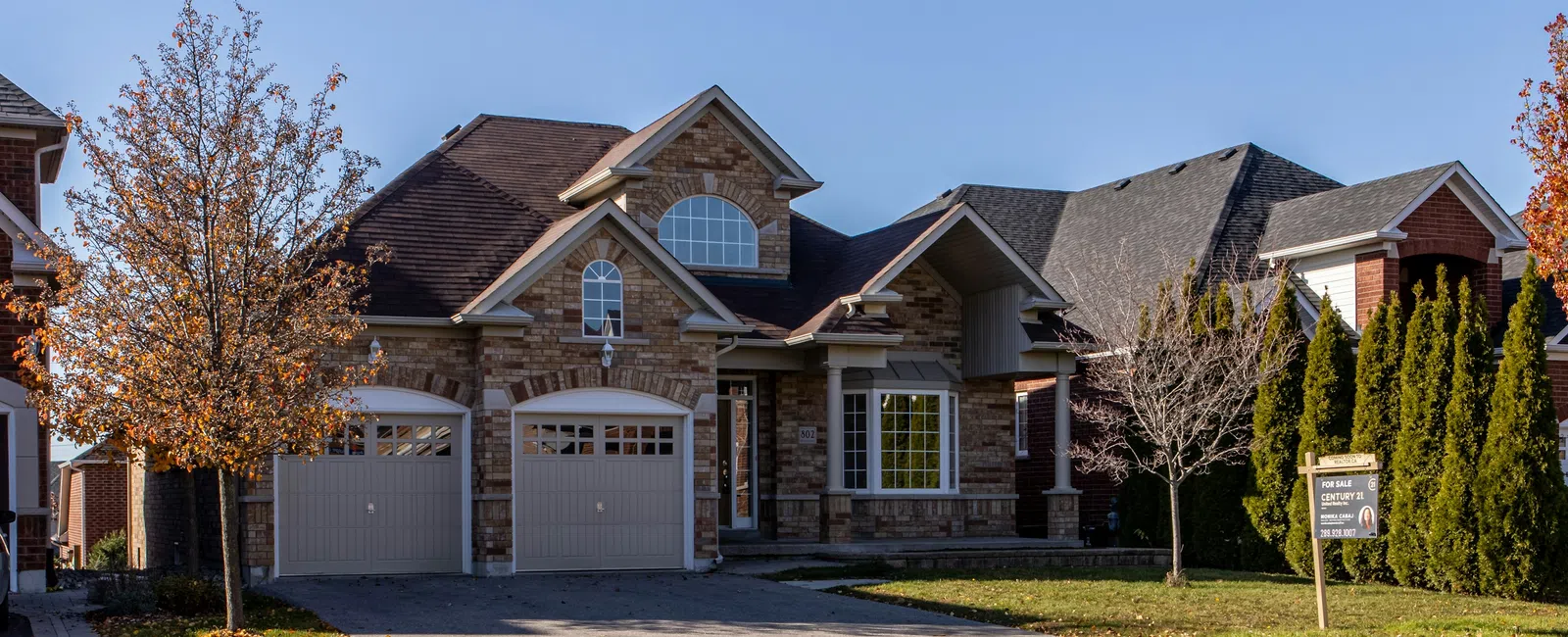
The U.S. bond market is facing renewed pressure as persistent inflation and the ongoing Middle East conflict drive up energy prices and interest rates. The 10-year Treasury yield climbed to 5.14% before settling at 5.12%, its highest level in approximately 19 years, increasing borrowing costs across the housing market.
Mortgage rates have also climbed, with a 30-year home loan reaching approximately 7.26%. For a $300,000 mortgage, the monthly payment would be around $2,049, up 14.2% from the estimated payment in late February. Meanwhile, gasoline prices remain above $4.45 per gallon nationally, and diesel prices have surged to an average of $6.51 per gallon, adding pressure to household budgets and construction expenses.
Higher financing costs and rising material, fuel, and labor expenses are creating challenges for homebuyers, sellers, builders, and lenders. The National Association of Home Builders has reported declining builder confidence, citing rising interest rates and construction costs as key concerns.
Looking ahead, further interest rate increases remain possible as the Federal Reserve continues working to bring inflation toward its 2% target. While strong economic activity and investment in artificial intelligence could support growth in the near term, continued inflation and geopolitical uncertainty pose risks to the broader economy and housing market.
Source: Multifamily Dive