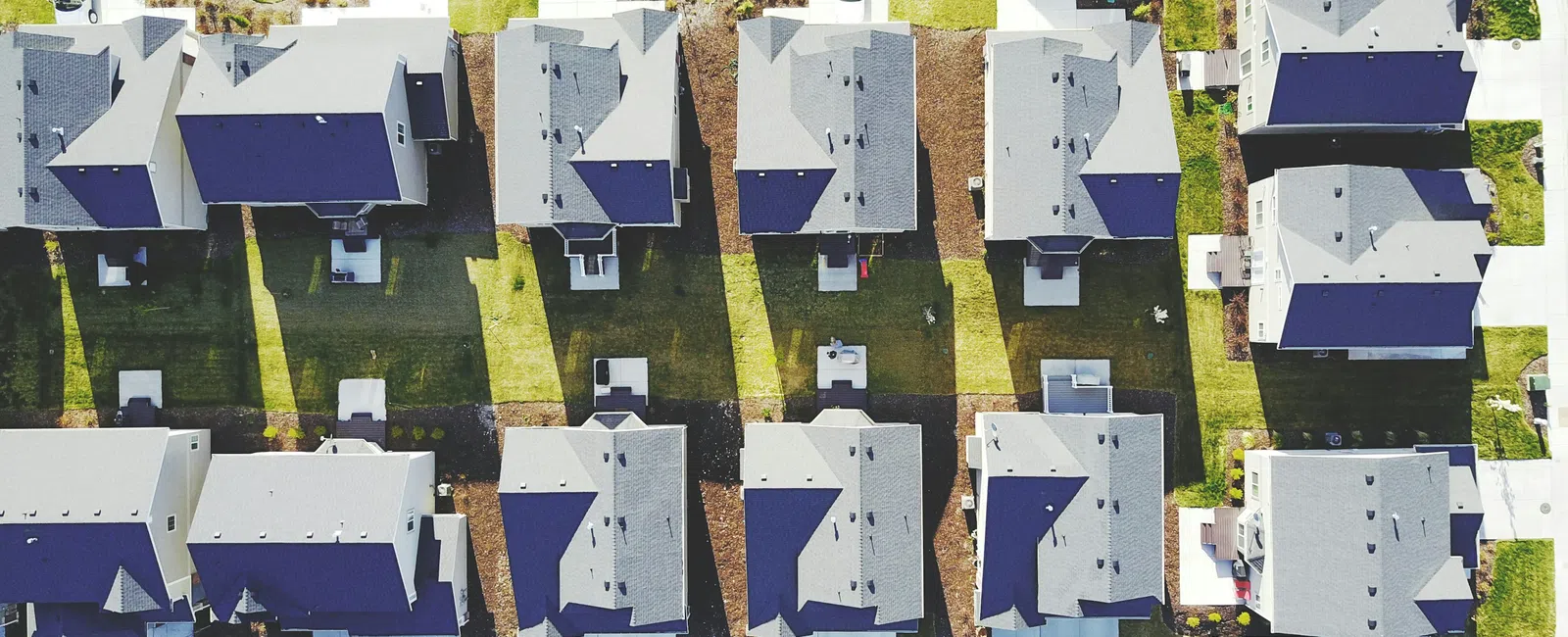
Housing affordability remains a growing concern across the United States as a record number of renter households are spending a significant portion of their income on housing costs.
According to recent data highlighted by The New York Times and the Joint Center for Housing Studies of Harvard University, nearly half of all renter households in the country were considered "rent-burdened" in 2024. The term generally refers to households that spend more than 30% of their income on rent and utilities.
The trend has worsened over the past two decades, with millions of households allocating larger shares of their earnings toward housing. Researchers also found that more than 12 million households are now considered "severely rent-burdened," meaning over half of their income goes toward housing expenses.
Housing experts point to a combination of factors behind the growing affordability challenge, including rising rents, limited housing supply, and slower income growth. Elevated mortgage rates have also contributed to increased demand for rental housing, as many prospective homebuyers remain on the sidelines.
The issue is no longer limited to lower-income households. Recent data suggests that rent burdens are expanding across a broader range of income levels, affecting middle-income renters in many parts of the country.
As housing costs continue to rise, policymakers at the federal, state, and local levels are exploring a range of solutions aimed at improving affordability. Proposed approaches include increasing housing supply, expanding public housing investment, and implementing policies designed to reduce housing cost pressures on renters.
The growing number of rent-burdened households underscores the broader affordability challenges facing the U.S. housing market and highlights the ongoing debate over how best to address housing accessibility and long-term economic stability.
Source: The New York Times