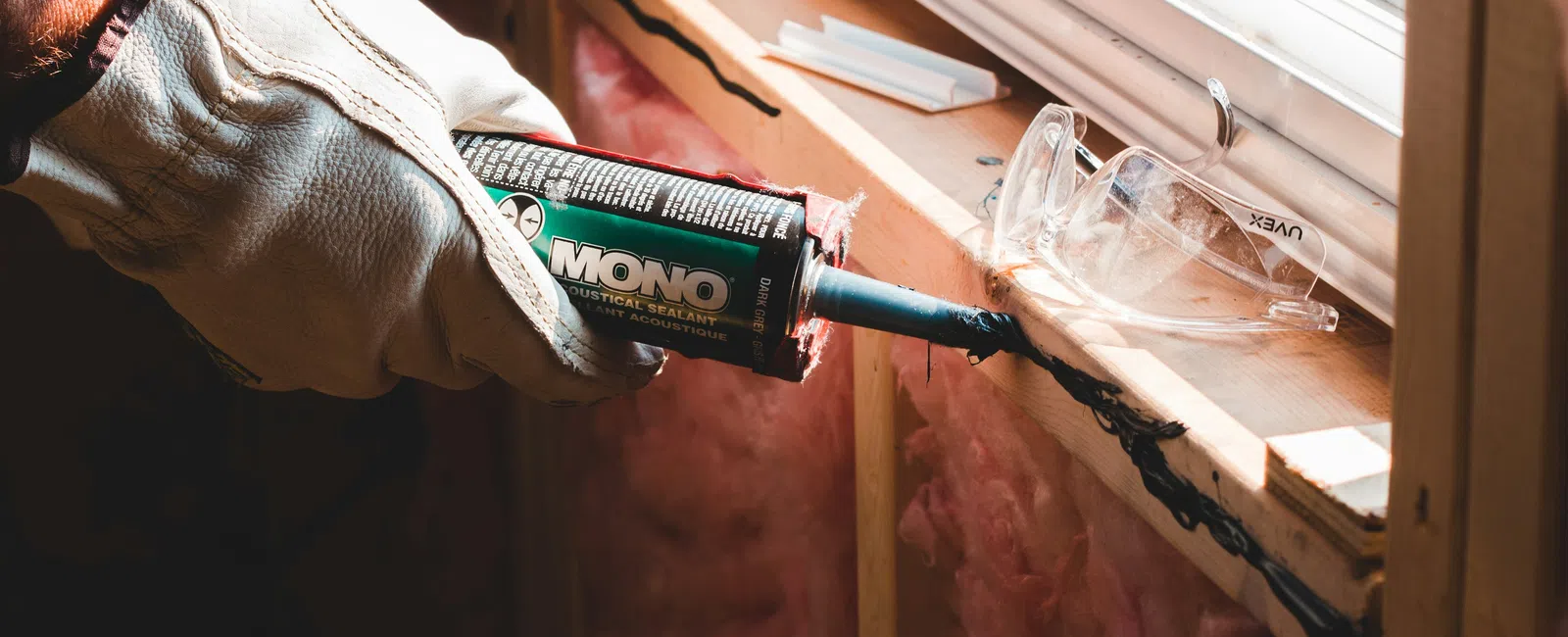
America's homes are getting older, and for millions of homeowners, keeping them safe and livable is becoming increasingly difficult. As maintenance costs continue to rise, many lower-income households are falling behind on essential repairs, putting both their homes and long-term financial security at risk.
According to new analysis from the American Housing Survey (AHS), the median age of the U.S. housing stock reached a record 44 years in 2023, with nearly 22 million homeowners living in homes built before 1960. While older homes require ongoing investments in critical systems such as roofing, plumbing, electrical wiring, HVAC, insulation, and windows, the households most likely to own these properties often have the least financial capacity to fund those repairs.
Unlike newer homes, where remodeling projects often focus on landscaping, outdoor amenities, or room additions, spending on older homes is largely driven by essential maintenance and replacement work. Homeowners living in homes built before 1960 spent an average of $6,000 on repairs and improvements in 2023—about 35% more than owners of homes built since 2010.
However, investment varies dramatically by income. High-income homeowners spent an average of $12,700 maintaining older homes, while lower-income owners invested just $3,400, despite facing significantly greater repair needs. This growing investment gap has contributed to deteriorating housing conditions across the country.
Older homes are now far more likely to experience structural deficiencies, plumbing failures, electrical hazards, and heating issues. Nearly 3 million owner-occupied homes were classified as moderately or severely inadequate in 2023, with homes built before 1960 four times more likely to fall below HUD habitability standards than newer properties.
A separate Federal Reserve Bank of Philadelphia study found that nearly half of owner-occupied homes built before 1940 required at least one repair in 2024, with an estimated $23.9 billion needed to address repair backlogs nationwide.
The challenge extends beyond property maintenance. Older homes represent one of the few remaining affordable pathways to homeownership for many lower-income families. Deferred repairs can accelerate property deterioration, reduce home values, create health and safety hazards such as mold, lead exposure, faulty wiring, and unsafe indoor temperatures, and limit opportunities for long-term wealth creation.
Recognizing the growing need, policymakers have begun expanding repair assistance programs. Pennsylvania's Whole-Home Repairs Program provides financial support for income-qualified homeowners and landlords, while the federal 21st Century ROAD to Housing Act introduces pilot grants to help eligible homeowners fund repairs related to safety, accessibility, weatherization, and overall habitability.
While these initiatives mark meaningful progress, housing experts note that available funding remains far below the nation's growing repair needs. As America's housing inventory continues to age, preserving existing homes is expected to become an increasingly important part of improving housing affordability, protecting homeowners, and sustaining the country's long-term housing supply.