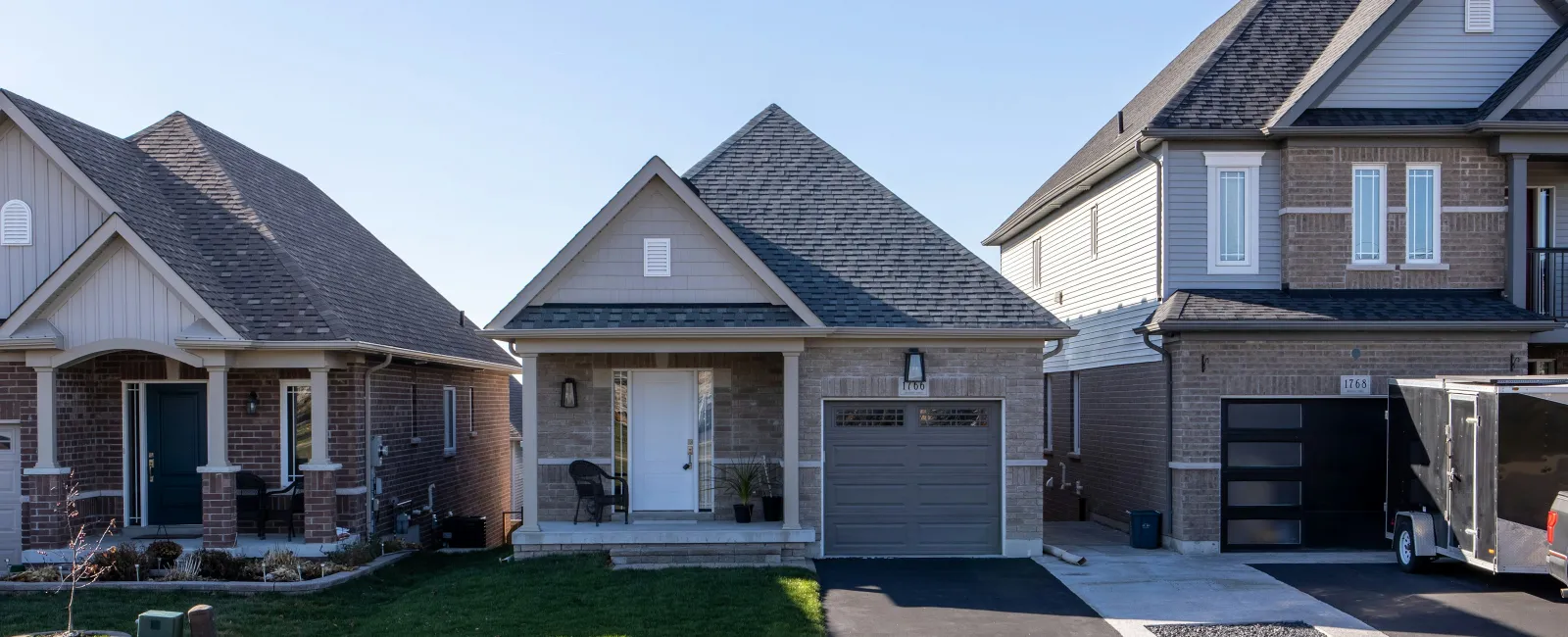
For generations, homeownership represented the American Dream. A mortgage, a backyard, and a permanent address signaled stability, success, and a connection to community.
Today, that equation is shifting.
Rising home prices, higher interest rates, and increasing maintenance costs have made ownership less attainable—and for many, less desirable. Recent surveys show that a significant number of homeowners feel financially constrained by their properties, limiting their ability to relocate, pursue new opportunities, or adapt to changing life circumstances.
At the same time, policymakers continue to approach housing through a traditional lens: renting is viewed as a temporary stage on the path to ownership. However, evolving consumer preferences suggest a more complex reality.
Many renters are making intentional lifestyle choices. They seek flexibility, lower maintenance responsibilities, and housing that aligns with modern work and family needs. Features such as dedicated home offices, private outdoor spaces, and neighborhood-oriented environments often matter more than the ownership status of the property itself.
This shift raises important questions about current housing policy.
While recent legislative efforts, including proposals aimed at addressing housing affordability and supply shortages, acknowledge the severity of the housing crisis, critics argue that they do not go far enough in promoting new housing development. Housing experts increasingly point to supply-side reforms—streamlined permitting, faster approvals, and incentives for new construction—as critical components of any long-term solution.
The broader challenge is not simply helping more people buy homes. It is ensuring that Americans have access to a diverse range of housing options that fit their financial realities and lifestyle preferences.
As housing demand continues to outpace supply, the conversation may need to move beyond a single vision of the American Dream. The future of housing could be less about ownership versus renting and more about providing people with the freedom to choose how they want to live.
Source: Built for Scale by Richard Ross