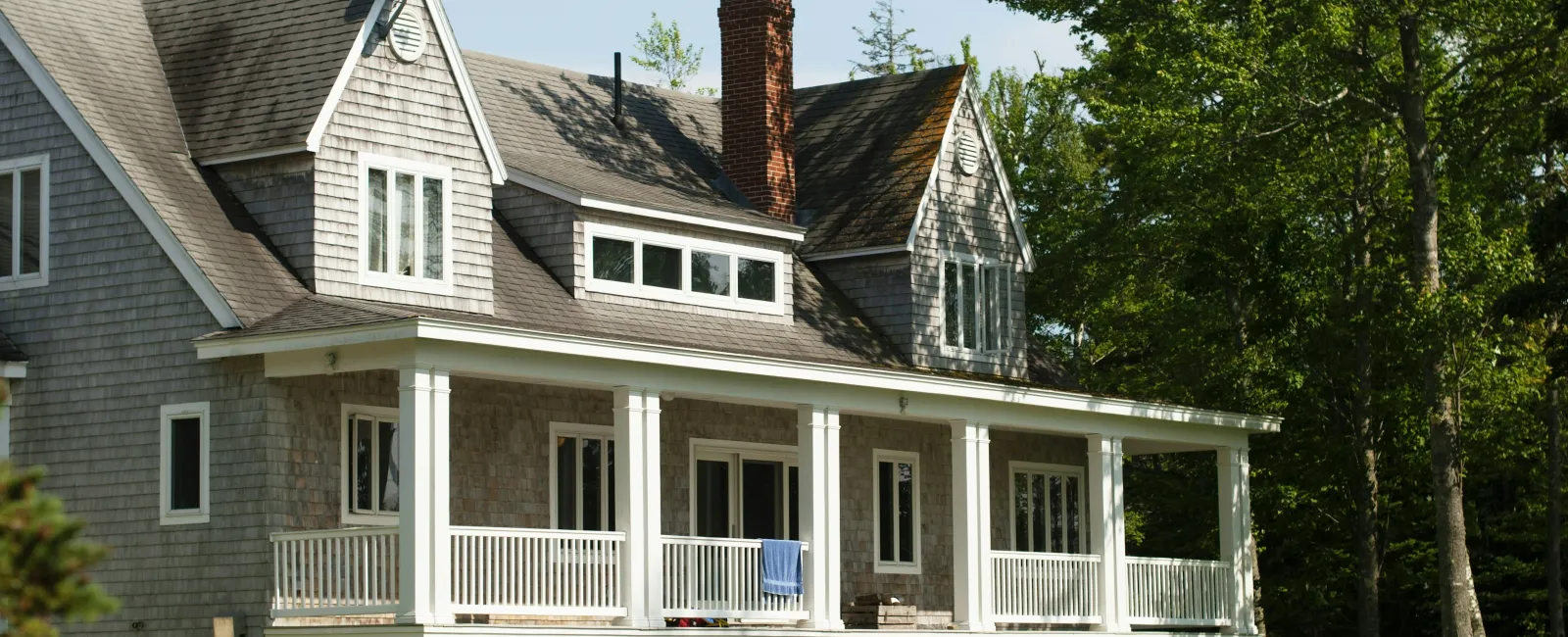
The U.S. housing market continues to face growing affordability and supply challenges, increasing the urgency to rehabilitate aging and vacant housing stock. Millions of single-family homes across the country require significant repairs, yet many smaller landlords, nonprofits, and homeowners lack the financial resources or operational capacity to restore these properties effectively.
As the single-family rental (SFR) industry has evolved over the past 15 years, institutional investors have developed large-scale renovation, maintenance, and property management infrastructures that now play a central role in their business operations. Initially focused on acquiring foreclosed homes after the Great Recession, many institutional investors later shifted toward build-to-rent developments as rising home prices, borrowing costs, and market competition reshaped investment strategies.
Today, institutional SFR operators manage extensive rehabilitation and maintenance systems that allow them to renovate properties more efficiently and at lower costs than many individual homeowners. Their scale provides advantages in sourcing labor, materials, technology, and vendor relationships, enabling faster and more standardized property improvements. Over time, many firms transitioned away from outsourced maintenance models and built integrated in-house service platforms to improve responsiveness and operational control.
The article highlights Progress Residential as a case study, demonstrating the scale of modern SFR operations. Between 2021 and 2023, the company renovated tens of thousands of homes, maintained large maintenance networks, and invested heavily in both property preservation and long-term capital improvements. These operational capabilities illustrate how institutional investors have transformed property rehabilitation into a sophisticated, scalable business function.
Beyond managing their own portfolios, institutional investors may now have an opportunity to contribute more broadly to affordable housing preservation. Their operational infrastructure could support smaller landlords, nonprofit housing providers, and acquisition-rehabilitation-resale programs by providing renovation, maintenance, and project management services at scale. Partnerships between institutional operators and mission-driven organizations could help restore distressed properties more efficiently while expanding access to quality affordable housing.
As housing shortages persist and affordability pressures continue, the role of institutional SFR investors is evolving beyond property ownership alone. Their growing expertise in rehabilitation, maintenance, and scalable operations positions them as potential contributors to broader housing stabilization efforts and the long-term preservation of affordable housing supply in the United States.
Source: Urban Institute