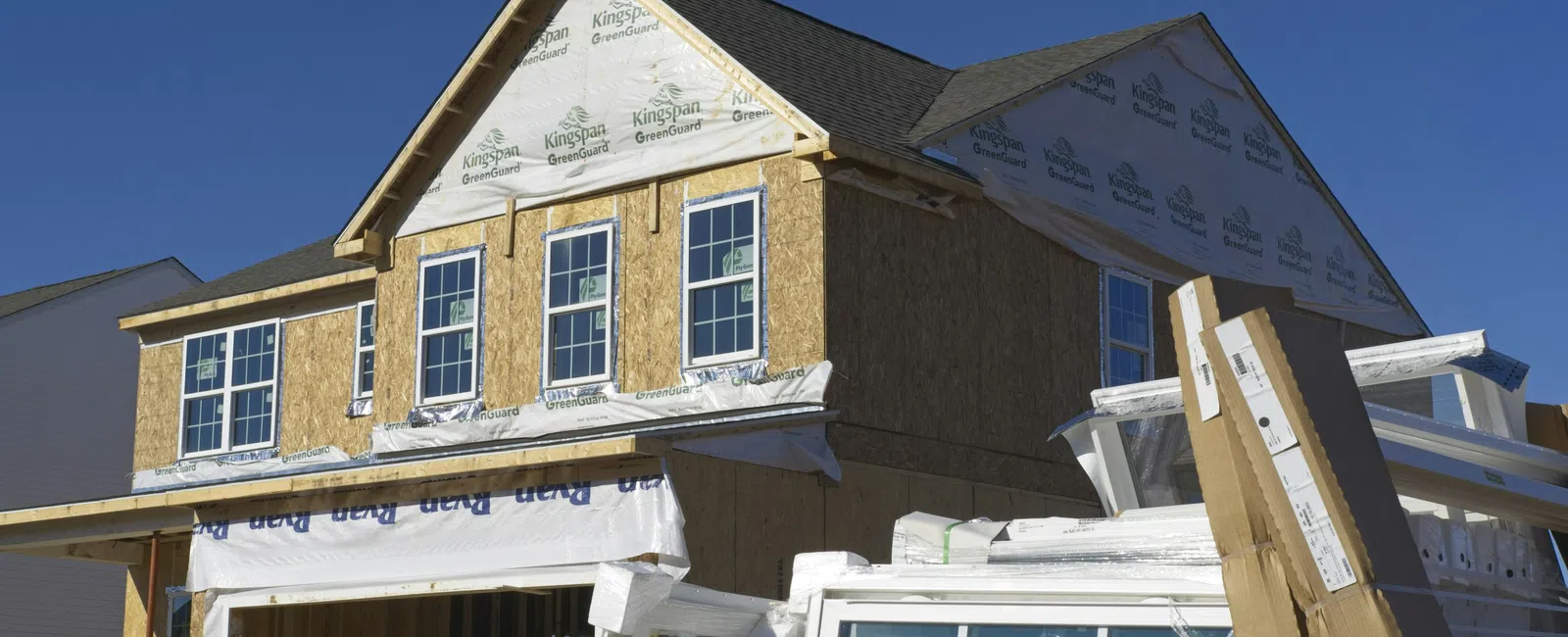
The United States continues to face one of the most significant housing challenges in its modern history. Despite years of discussion among policymakers, developers, and economists, the nation remains short millions of homes, creating affordability pressures that affect households across every income level.
While the housing crisis is often discussed in terms of rising home prices and rents, the underlying issue is relatively straightforward: demand for housing has outpaced supply for more than a decade.
Today, the housing deficit is estimated to be in the millions of units, representing one of the largest supply gaps on record. This imbalance has contributed to escalating housing costs, reduced mobility, and growing challenges for first-time homebuyers, renters, and families seeking attainable housing options.
The Legacy of Underbuilding
One of the primary drivers of the housing shortage can be traced back to the aftermath of the 2008 financial crisis.
Prior to the housing crash, residential construction was operating at historically high levels. However, when the market collapsed, builders dramatically reduced new development activity. For years afterward, housing production remained well below what was necessary to keep pace with population growth and household formation.
Although construction activity has increased in recent years, the industry is still working to overcome a decade-long deficit. Building enough homes to meet current demand while simultaneously addressing years of underproduction remains a significant challenge.
Regulatory Barriers Continue to Limit Supply
Even as demand for housing grows, many communities face regulatory obstacles that slow or prevent new development.
Restrictive zoning policies, lengthy permitting processes, and complex approval requirements continue to limit housing production in many markets. In numerous cities, large portions of residential land remain designated exclusively for single-family housing, restricting opportunities for higher-density development that could help alleviate supply shortages.
Developers often encounter extended timelines, rising compliance costs, and uncertainty throughout the entitlement process, factors that can delay projects and reduce overall housing output.
The Mortgage Rate Lock-In Effect
Another factor contributing to limited housing inventory is the so-called "lock-in effect."
Millions of homeowners secured historically low mortgage rates during the past several years. As interest rates have risen, many have become reluctant to sell their homes and take on significantly higher monthly payments associated with a new mortgage.
This dynamic has reduced the number of existing homes entering the market, constraining supply and limiting opportunities for prospective buyers.
The result is a housing market characterized by low turnover, limited inventory, and reduced mobility for households seeking to relocate.
Changing Consumer Preferences
The housing shortage is not solely a matter of quantity—it is also a matter of product fit.
Many existing homes were designed for larger households and different lifestyle preferences than those prevalent today. Modern buyers and renters increasingly seek flexible, efficient living spaces that accommodate remote work, changing family structures, and evolving lifestyle priorities.
However, much of the available inventory consists of older housing stock that may not align with these preferences. This mismatch further contributes to market inefficiencies and limits available options for consumers.
The Broader Economic Impact
The consequences of the housing shortage extend far beyond housing costs.
Limited housing availability affects workforce mobility, economic growth, and community development. Workers may decline employment opportunities in high-growth markets due to affordability concerns, while businesses face challenges attracting talent when local housing options remain constrained.
Younger households are also delaying major life decisions, including homeownership, family formation, and relocation, as housing affordability becomes an increasingly significant barrier.
As demand continues to exceed supply, housing costs remain elevated, creating ripple effects throughout the broader economy.
Alternative Housing Solutions Gain Momentum
In response to these challenges, developers and investors are increasingly exploring alternative housing models that can help address unmet demand.
Single-family rentals (SFR), build-to-rent (BTR) communities, and manufactured housing developments have emerged as important components of the housing ecosystem. These sectors provide additional housing choices for households seeking affordability, flexibility, and access to desirable locations without the financial barriers associated with traditional homeownership.
As policymakers and industry leaders continue searching for long-term solutions, expanding housing supply through a variety of housing types will likely remain a critical priority.
Looking Ahead
The U.S. housing shortage did not emerge overnight, and it will not be resolved quickly. Years of underbuilding, regulatory constraints, limited housing turnover, and evolving consumer preferences have combined to create a structural imbalance that continues to shape the residential real estate landscape.
While challenges remain, increasing housing production, modernizing regulatory frameworks, and embracing diverse housing solutions can help narrow the gap between supply and demand. Until then, affordability and housing availability will remain among the most important issues facing the real estate industry and American households alike.
Source: Quinn Residences