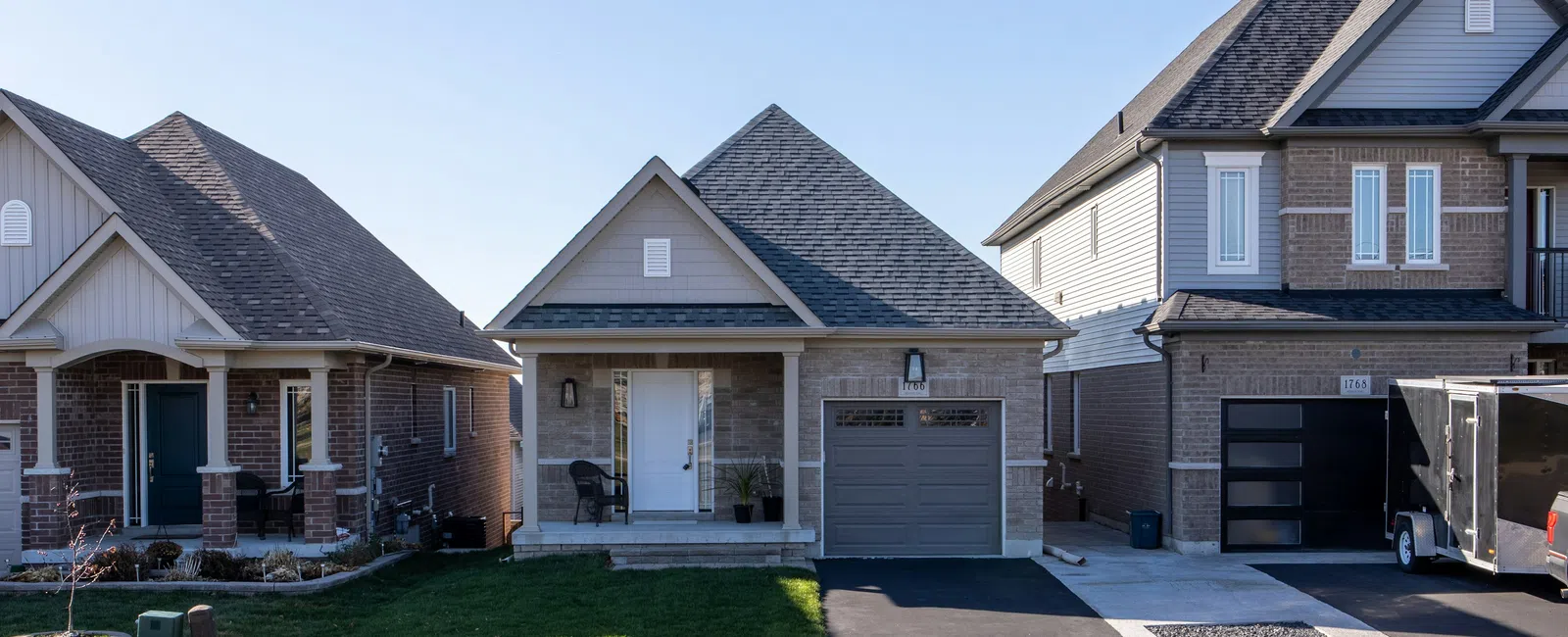
Single-family rentals posted broad gains across the U.S. in 2025, outperforming apartments and highlighting the growing importance of housing supply, affordability and property operations.
According to an analysis of the Zillow Observed Rent Index by Arbor Realty Trust and Chandan Economics, single-family rents increased in 98 of the 100 largest U.S. markets, averaging 2.9% growth. By comparison, national apartment asking rents ended the year with essentially no annual growth, according to Yardi Matrix.
Supply Helped Separate the Two Sectors
A major reason for the divergence was new apartment supply. The U.S. added approximately 608,000 multifamily units in 2024 and another 488,000 in 2025, according to the Harvard Joint Center for Housing Studies.
Markets with heavy construction experienced some of the steepest declines. Apartment rents fell 4.7% in Austin, 3.6% in Denver and 3.2% in Phoenix as of November 2025, according to Apartments.com data. Single-family rents in those same markets remained positive.
Build-to-rent development has also increased, but its supply remains considerably smaller than the multifamily pipeline.
Affordability Continues to Support Rental Demand
The widening gap between renting and owning is also supporting single-family rental demand.
Redfin estimates that households need about $111,252 in annual income to afford a typical home for sale, compared with roughly $76,020 for a typical rental.
That gap leaves many households able to rent but unable to comfortably purchase a home. Single-family rentals can meet that demand by providing features such as additional bedrooms, yards and garages without requiring a mortgage.
Location Matters, but Operations Matter Too
Geography still influenced performance. Scranton, Pennsylvania, led the country with 6.5% annual single-family rent growth, followed by Syracuse, New York, at 6.3%. Many of the strongest markets were affordable Northeast and Midwest metros with relatively limited new housing supply.
However, with 98 of the 100 largest markets recording gains, location alone does not explain the sector's performance.
Operations can also create meaningful differences. Invitation Homes reported 22.8% same-store turnover in 2025, meaning more than three-quarters of residents stayed, while renewal rent growth reached 4.7% during the second quarter.
Strong resident retention can reduce vacancy, leasing and turnover costs, making maintenance quality, resident experience and disciplined renewal pricing important contributors to long-term returns.
What It Means for Investors
The 2025 results suggest investors should look beyond metro rankings when evaluating single-family rental opportunities.
Location remains important, but property type, supply exposure and operator quality can be equally significant. Market selection happens at acquisition, while strong operations can continue adding value throughout the investment period.
As rental construction slows from recent highs, geographic differences could become more pronounced. For now, the 2025 data points to a clear conclusion: single-family rental strength was widespread, and sustainable performance depended on more than simply choosing the hottest market.
Source: Forbes