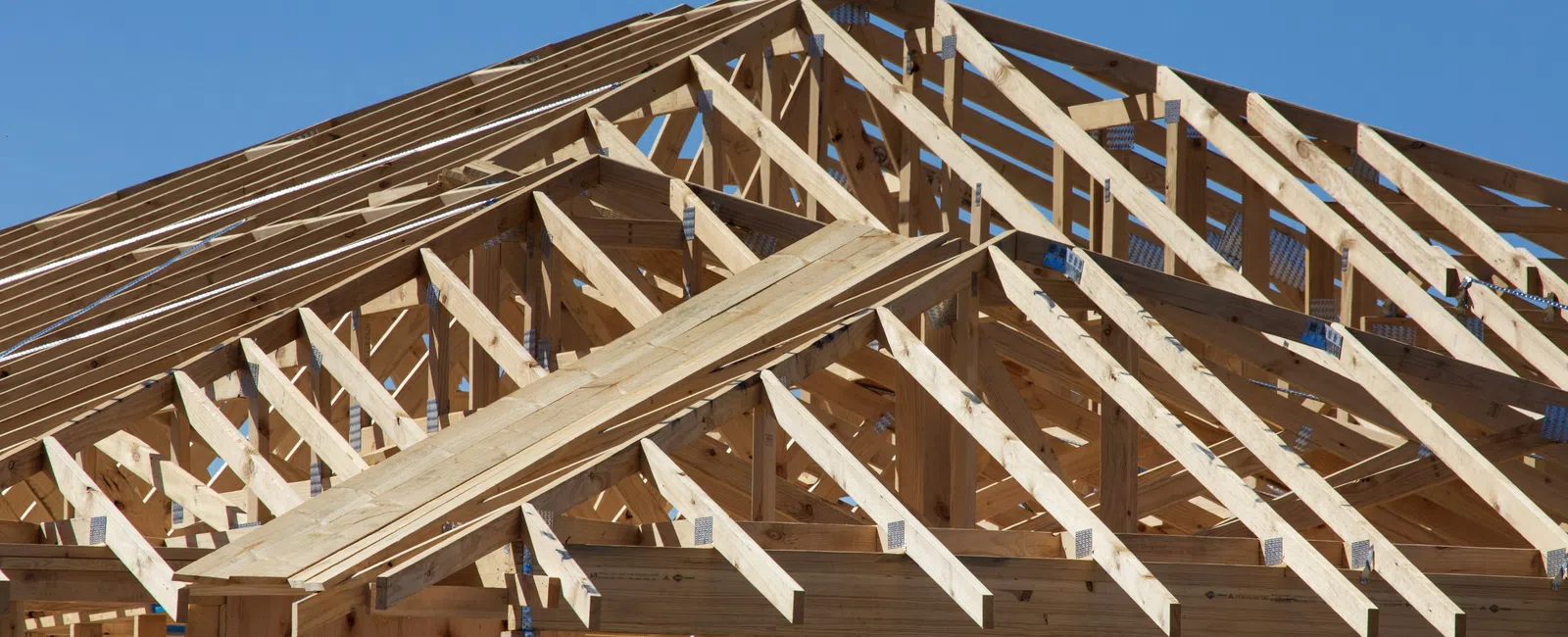
New construction is increasingly attracting home shoppers from outside the metro areas where properties are located, highlighting the growing influence of migration and affordability on the U.S. housing market.
Realtor.com data for Q2 2026 shows that 67.2% of views on new-construction listings came from shoppers in other metro areas, compared with 65.4% for existing homes. The trend is particularly strong in Southern and Sun Belt markets, where relatively affordable housing and lifestyle factors continue to attract relocating households.
Builders Are Adjusting to Softer Demand
The median listing price for a newly built home reached approximately $450,256 in Q2, essentially unchanged from a year earlier. Meanwhile, existing-home prices declined 2% to $408,317, pushing the premium for new construction to 10.3%, up from 8.2% a year ago.
Builders are increasingly using price reductions to attract buyers. One in five new homes received a price cut in Q2, compared with 18.6% of existing homes. This marks the third consecutive quarter in which new construction has seen a higher share of price reductions than resale properties.
The trend suggests builders are continuing to test pricing strategies as they work to match buyer demand with elevated construction costs and affordability constraints.
Migration Favors Affordable Sun Belt Markets
Southern markets dominate the areas attracting the most out-of-market attention to new construction. Florida, the Carolinas, and Texas are particularly prominent, with buyers often coming from nearby, higher-cost metros or major coastal markets.
Markets such as Charleston, San Antonio, Austin, Las Vegas, and Fresno combine significant out-of-metro interest with relatively high levels of price reductions, illustrating the competitive environment builders face.
For SFR and BTR, these patterns reinforce the importance of migration and affordability when evaluating growth markets. Communities attracting households from more expensive metros may offer opportunities for new rental housing, particularly where job growth, lifestyle demand, and housing affordability support sustained population inflows.
As home shoppers become increasingly willing to search beyond their current metro areas, understanding where buyers are coming from—not just where homes are being built—will be critical to identifying the next residential growth markets.
Source: Realtor