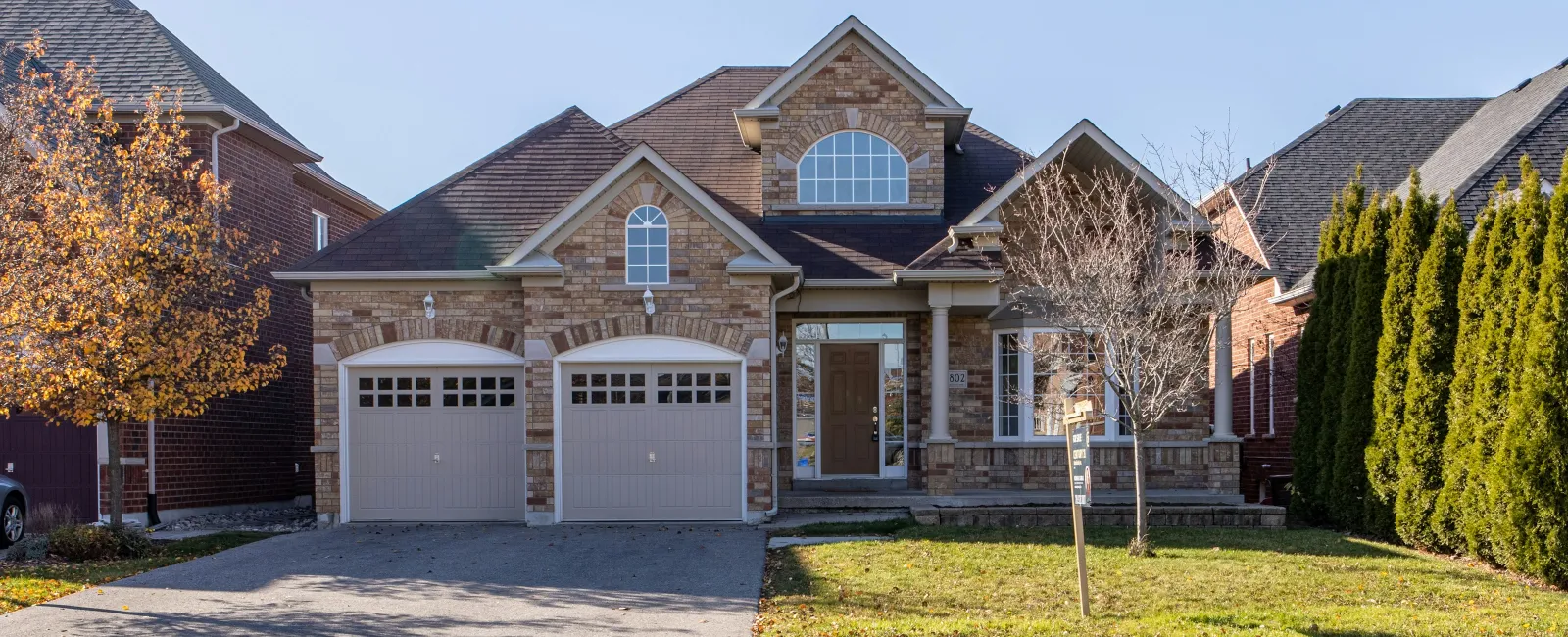
As the U.S. housing market continues to face affordability challenges, single-family rental (SFR) and build-to-rent (BTR) communities are becoming an increasingly important part of the housing landscape.
In a recent interview, Lafayette Real Estate CEO Thibault Adrien shared how the company is adapting to shifting market conditions by focusing on long-term development strategies, particularly in high-growth Sun Belt markets.
Housing Shortages Continue to Drive Demand
According to Adrien, the U.S. still faces a significant housing shortage, while rising home prices and elevated mortgage rates have made homeownership less attainable for many households.
At the same time, many families still want the benefits of a single-family lifestyle — more space, backyards, garages, and access to better school districts — without the financial burden of buying a home. This has continued to fuel demand for SFR communities.
The article also highlights how renting has become a lifestyle choice for some households, while others view it as a temporary step before eventually purchasing a home.
The Shift Toward Building Instead of Buying
One of the biggest changes in the SFR sector is the move away from acquiring existing homes and toward building entirely new rental communities.
Adrien explains that institutional investors often struggle to compete with retail homebuyers in today's market. As a result, Lafayette has shifted its focus to developing new inventory through its in-house homebuilding platform, Marquis Homes.
By building from the ground up, the company says it can create homes at a lower cost while also helping expand overall housing supply instead of competing for existing homes.
Sun Belt Markets Remain a Key Focus
The Sun Belt continues to attract attention due to strong job growth, population migration, and long-term economic fundamentals. However, some markets are currently experiencing short-term softness after a wave of post-pandemic development created temporary oversupply.
Despite this, Lafayette believes declining construction activity today could create stronger market conditions in the coming years as supply tightens again.
A More Mature and Disciplined Industry
The article also reflects how the SFR and BTR industries are becoming more institutionalized and operationally sophisticated.
Lafayette emphasizes vertical integration, property management quality, and resident satisfaction as key drivers of long-term performance. Adrien notes that strong operational execution and long-term discipline now matter more than the rapid rent growth and easy financing conditions that once fueled the sector.
Changing the Narrative Around SFR
Adrien pushes back against the perception that institutional investors are driving up home prices, arguing that institutional ownership still represents only a very small portion of the overall housing market.
Instead, he positions build-to-rent housing as part of the solution to America's housing shortage by adding new housing inventory and expanding rental options for families who may not yet be ready — or able — to buy a home.
Source: Multi-Housing News