The U.S. housing market remains under significant pressure as affordability challenges, elevated borrowing costs, and economic uncertainty continue to weigh on both homebuyers and renters, according to the 2026 State of the Nation's Housing report released by Harvard University's Joint Center for Housing Studies (JCHS).
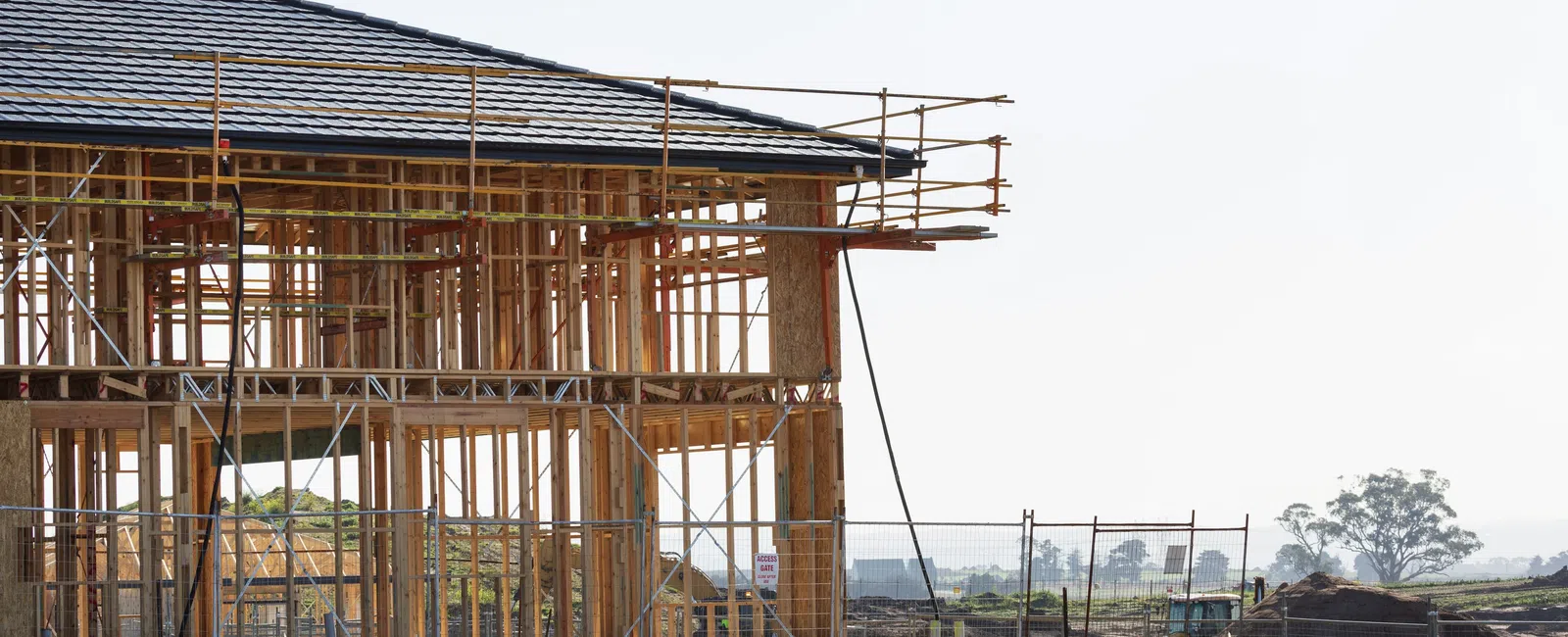
The report finds that housing market activity remained subdued through early 2026. Existing home sales continued to hover near their lowest levels in three decades, while new home sales showed little movement. Single-family housing construction also slowed during the past year, reflecting continued caution among builders amid elevated financing costs and softer demand.
Although housing shortages remain a long-term concern, the report notes that weakening demand has emerged as a defining trend. Household formation slowed for the third consecutive year, homeownership rates declined again, and renter growth moderated as many Americans delayed moving or purchasing homes due to affordability constraints and broader economic uncertainty.
Several economic factors contributed to the slowdown. Employment growth weakened significantly during 2025, while consumer confidence fell to historically low levels entering 2026. Combined with persistently high mortgage rates and elevated home prices, these conditions have made purchasing a home increasingly difficult for many households.
Affordability continues to be one of the market's greatest challenges. Median home prices remain above $400,000 nationwide, while mortgage rates above 6% have pushed monthly payments close to record highs. As a result, the income required to afford a median-priced home has increased dramatically compared with just a few years ago, placing homeownership further out of reach for many prospective buyers.
Despite softer demand, housing supply has shown gradual improvement. A wave of multifamily development has expanded rental inventory, helping vacancy rates recover from historic lows. For-sale inventory has also improved modestly in several markets, although supply gains remain uneven across the country.
Markets experiencing stronger construction activity have generally seen greater improvements in housing availability, while areas with limited new development continue to face tight inventories and persistent affordability pressures.
The report also emphasizes that the greatest shortage remains in lower-cost housing. Affordable rental units have continued to disappear as older housing is renovated or converted to higher-priced properties, while entry-level homes affordable to moderate-income buyers remain in short supply. Extremely low-income renters continue to face the largest housing gap, competing for far fewer affordable units than needed.
As housing costs continue to consume a growing share of household income, millions of renters and homeowners are left with limited financial flexibility after paying for housing. Rising insurance costs, property taxes, utilities, and inflation have further increased financial pressure on lower-income households.
Looking ahead, the report points to growing momentum among state and local governments to address housing affordability through zoning reforms, regulatory modernization, and programs designed to encourage additional housing production. Federal initiatives supporting affordable housing development also continue to advance, although the report concludes that significantly more investment and policy action will be necessary to improve housing affordability and expand housing opportunities nationwide.
As the housing market continues to adjust, the report reinforces that increasing housing supply—particularly affordable housing—remains essential to improving affordability and supporting long-term market stability for both renters and prospective homeowners.