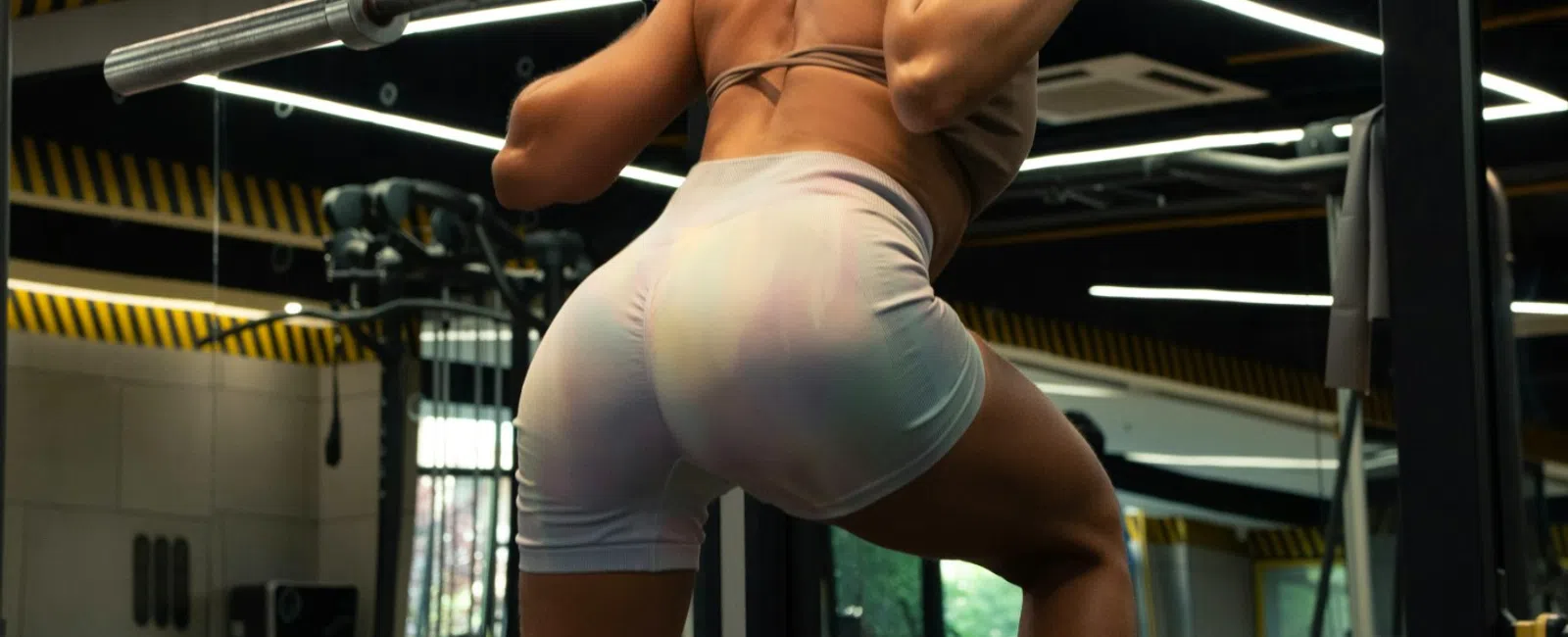

Lunges are a great addition to any strength-training routine because they challenge more than just your legs.
They can help build lower-body strength, improve balance and coordination, strengthen the glutes, and introduce movement in different directions.
Changing the type of lunge you perform can also shift the focus to different muscle groups and help keep your workouts from feeling repetitive.
This movement guide is part of M³: Motivation • Movement • Meal Prep with Charlotte Blais of Blue Chip Maintenance, where the focus is on practical ways to stay active, build strength, and create habits that are easier to maintain.
Why Lunge Variations Matter
A lunge may look simple, but different variations challenge your body in different ways.
Some emphasize forward movement. Others place more focus on stability or side-to-side control.
Adding a few lunge variations to your routine can help you:
- Build stronger legs and glutes
- Improve balance and coordination
- Strengthen each side of the body individually
- Challenge your stability
- Improve mobility and movement control
- Add variety to your lower-body workouts
You don't need to do every variation at once. Start with the one that feels most comfortable and gradually add others as your strength and confidence improve.
1. Forward Lunge
The forward lunge is one of the most familiar lunge variations and a great way to work on strength, balance, and coordination.
Start standing tall with your core engaged.
Step forward with one leg and lower your hips until both knees bend, aiming for about a 90-degree angle if that range feels comfortable.
Keep your chest lifted and your front knee tracking in the same direction as your toes.
Push through your front foot to return to standing.
Targets: Quads, glutes, and hamstrings
Focus: Building lower-body strength, balance, and coordination
Because you're stepping forward and controlling your body as you lower, this variation also challenges your ability to stay stable throughout the movement.
2. Reverse Lunge
The reverse lunge starts with a step backward instead of forward.
From a standing position, step one leg behind you and lower your body until both knees bend comfortably.
Keep most of your weight through the front leg, then press through that front foot to return to standing.
Targets: Glutes, quads, and hamstrings
Focus: Building lower-body strength and stability
For some people, stepping backward may feel more comfortable and controlled than stepping forward.
It can also make it easier to focus on keeping your weight centered over the front leg while maintaining good alignment.
3. Lateral Lunge
Most everyday movement happens forward and backward, so adding side-to-side exercises can bring useful variety to your routine.
For a lateral lunge, step out to one side with one leg.
Bend that knee and push your hips back while keeping the opposite leg relatively straight. Keep your chest lifted and your working foot planted.
Push through the bent leg to return to standing.
Targets: Glutes, quads, and inner thighs
Focus: Strengthening the legs through side-to-side movement while improving lateral control and mobility
This variation can feel very different from forward and reverse lunges because it challenges your body in another direction.
Start With Body Weight
Before adding dumbbells or other resistance, take time to become comfortable with the movement.
Start with body weight and focus on control, balance, and alignment.
Keep your core engaged, move slowly enough to stay in control, and use a range of motion that feels appropriate for your body.
As you become stronger and more confident, you can gradually add resistance if you want more of a challenge.
Give Yourself Room to Improve
Lunges can be challenging, especially when balance is involved.
You may find that one side feels stronger or more stable than the other. That's normal.
Instead of rushing through the movement, focus on quality.
You can shorten your step, reduce the depth of the lunge, or hold onto a stable surface while you build confidence.
Strength develops through practice.
Keep Moving Forward
You don't have to perform every repetition perfectly for the workout to be worthwhile.
What matters is continuing to practice, paying attention to your form, and giving your body time to adapt.
A little progress repeated consistently can make a big difference.
💪 Movement + Motivation = Progress.
Your body is capable of becoming stronger, more stable, and more confident when you give it consistent effort.
Keep moving. Keep practicing. And keep showing up for yourself.