Push-ups get a lot of attention.
Presses get attention.
Squats get attention.
But there's another basic movement pattern that deserves just as much consideration:
Pulling.
Think about everyday life.
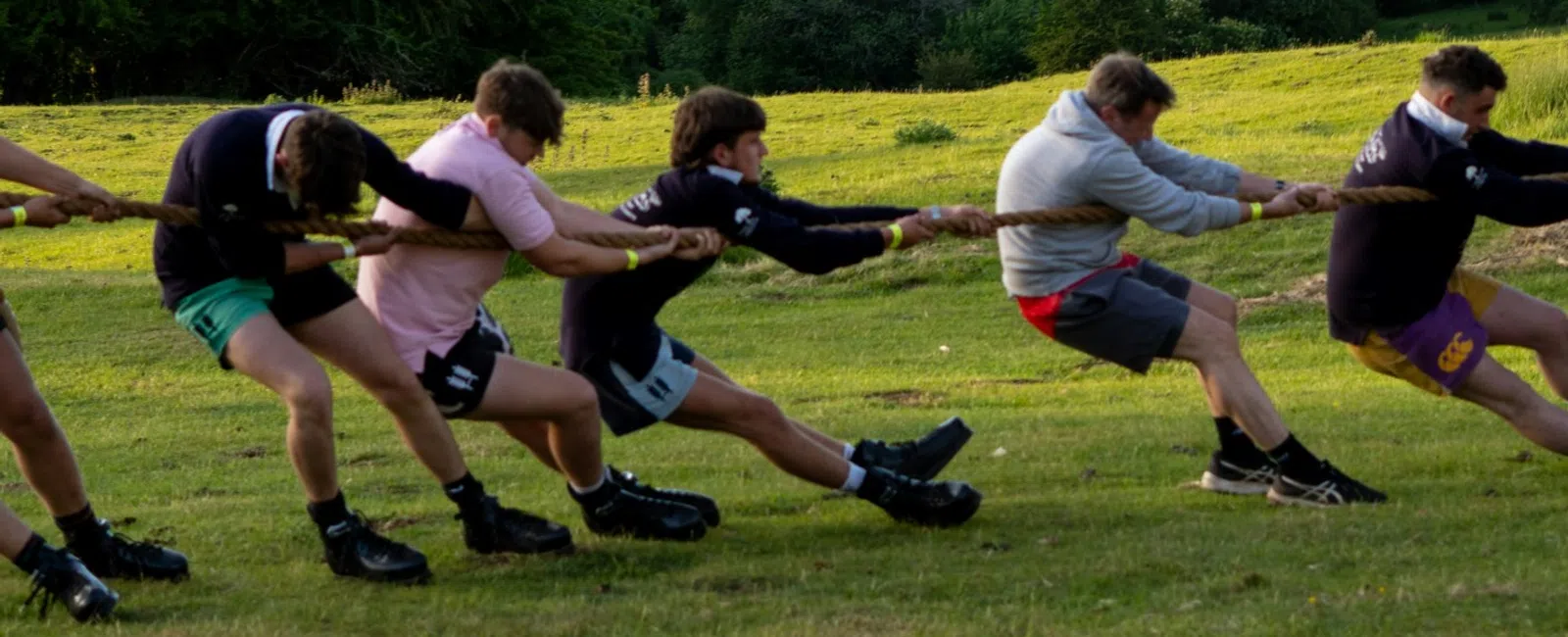
You pull open a heavy door.
You pull something toward you.
You carry groceries.
You move furniture.
You reach for something and bring it closer.
Pulling movements are part of how we naturally use our bodies, yet they can easily be overlooked in a simple exercise routine.
What Is a Pulling Movement?
In exercise, pulling usually means bringing resistance toward your body.
One of the most common examples is a row.
Rows can be performed using resistance bands, dumbbells, cable machines, or other equipment.
The specific exercise can change.
The basic movement stays similar.
Your arms move toward your body while the muscles around your back and shoulders help control the motion.
You don't need complicated equipment to understand the pattern.
Even a simple resistance band can provide a good starting point.
Why Pulling Deserves Attention
Many daily activities happen in front of us.
We sit at desks.
We drive.
We use phones.
We work on computers.
Because so much of modern life happens with our arms forward, it can be helpful to include movements that encourage us to pull back and use the muscles across the upper back.
Pulling exercises can also complement pushing exercises.
If you're already doing push-ups, adding a rowing movement creates a more complete approach to upper-body training.
It's not about creating a complicated routine.
It's about giving your body opportunities to move in different directions.
Start Simple
A resistance-band row is one of the easiest ways to begin.
Sit or stand tall.
Hold the band securely.
Pull your hands toward your body while keeping the movement slow and controlled.
Then gradually return to the starting position.
Avoid rushing.
The return portion matters too.
You can also use dumbbells for bent-over rows if you're comfortable with the movement.
The amount of weight isn't the most important part.
Control is.
Think Beyond the Muscles You Can See
It's easy to focus on the front of the body because that's what we see in the mirror.
But movement isn't just about what is visible.
Your back, shoulders, hips, core, and legs all work together to help you move confidently.
A balanced routine gives attention to the whole body.
That doesn't require dozens of exercises.
Sometimes it simply means remembering the basic patterns:
Push.
Pull.
Squat.
Hinge.
Carry.
Move.
Don't train only what you can see. Build strength for how your whole body moves.
Simple movements performed consistently can go a long way.