When people think about exercise, they often focus on the upper body or abdominal muscles. But some of the most important muscles for everyday movement are found in your lower body.
From getting out of a chair to climbing stairs, carrying groceries, or picking something up from the floor, your legs are working throughout the day.
One simple exercise can help strengthen many of those muscles at once:
The squat.
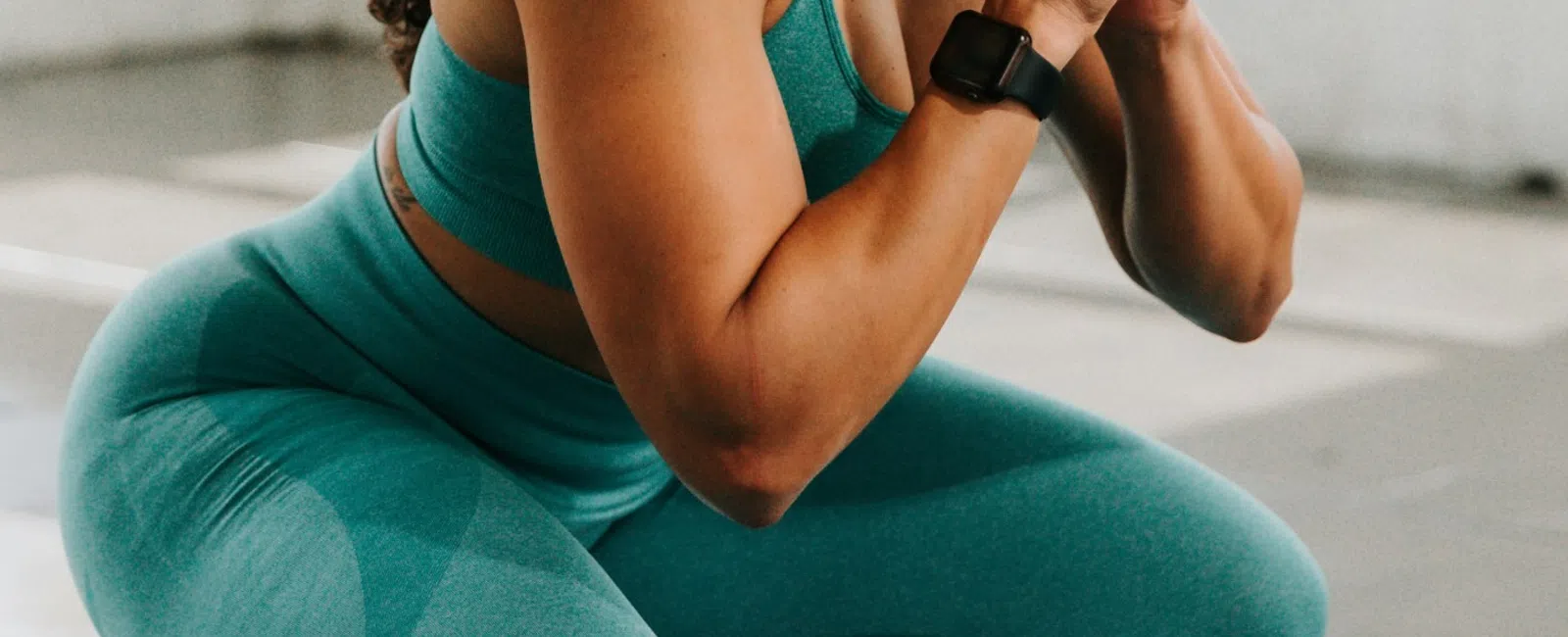
Squats are one of the most practical exercises you can add to your routine because they strengthen movement patterns you already use every day.
What Muscles Do Squats Work?
Squats are a compound exercise, meaning several muscle groups work together during the movement.
A properly performed squat can help strengthen your:
- Quadriceps - The muscles at the front of your thighs help straighten your knees as you stand.
- Hamstrings - The muscles at the back of your thighs assist with control and stability.
- Glutes - Your glute muscles help drive your hips forward as you return to standing.
- Calves - These muscles contribute to balance and lower-leg stability.
- Core - Your abdominal and back muscles help keep your upper body controlled throughout the movement.
Because so many muscles work together, squats are useful for building strength that carries over into everyday life.
How to Perform a Basic Bodyweight Squat
You don't need weights or special equipment to get started.
Stand with your feet approximately shoulder-width apart.
Keep your chest lifted and gently engage your core.
Begin the movement by pushing your hips back while bending your knees, almost as though you're sitting into a chair.
Lower yourself as far as you can comfortably while maintaining control.
Then press through your feet and return to the starting position.
The goal isn't to squat as low as possible.
Good form is more important than depth.
Start With the Version That Works for You
Not everyone needs to begin with a traditional bodyweight squat.
If you're still developing strength or balance, start by practicing with a chair behind you.
Slowly lower yourself until you lightly touch the chair, then stand back up.
You can also hold onto a sturdy surface for additional support.
As your strength improves, gradually reduce the assistance.
The best exercise variation is the one you can perform safely and consistently.
Common Squat Mistakes to Avoid
Squats may look simple, but technique matters.
Try to avoid:
- Allowing your knees to collapse inward.
- Rounding your upper back.
- Rushing through repetitions.
- Shifting all your weight onto your toes.
- Sacrificing form just to squat lower.
Move slowly enough that you remain in control.
When you're learning an exercise, quality repetitions are more valuable than doing as many as possible.
Why Lower-Body Strength Matters
Strong legs aren't only important for workouts.
They support independence and everyday movement.
Lower-body strength can make it easier to stand, climb stairs, bend down, carry objects, and move confidently throughout your day.
It can also provide a stronger foundation for other activities, from walking and running to sports and recreational exercise.
Keep It Simple
You don't need an advanced leg workout to start building strength.
Begin with a few controlled sets of bodyweight squats and focus on getting comfortable with the movement.
As you improve, you can gradually add repetitions, resistance, or more challenging variations.
Strong movement starts with a strong foundation.
Master the basics, stay consistent, and let your strength build one repetition at a time.