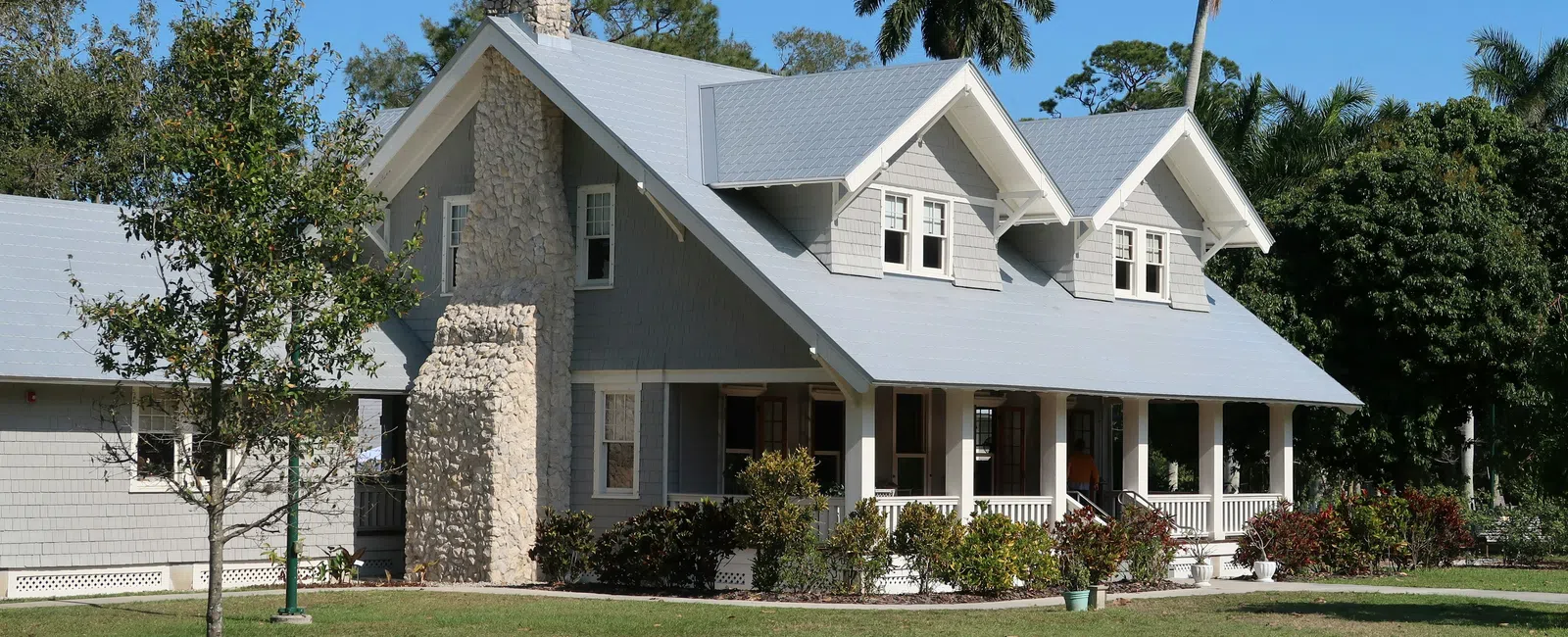
Atlanta is becoming a focal point in the national conversation about housing affordability and institutional investment, as a growing share of the city's single-family homes are being acquired or developed specifically for rental purposes.
According to a recent report from the American Economic Liberties Project, Atlanta now has the highest concentration of institutionally owned single-family rental homes in the United States, with approximately 72,000 properties controlled by large investors. In some suburban communities, corporate ownership accounts for more than half of all single-family rentals, highlighting the growing influence of institutional landlords in the local housing market.
First-Time Buyers Face Growing Competition
Real estate professionals in the region report that first-time homebuyers and middle-income families are increasingly competing against well-capitalized investors, particularly in the entry-level housing segment.
Properties priced between $400,000 and $600,000 often attract multiple cash offers from investors, making it difficult for traditional buyers to compete. While many of these homes require renovations or upgrades, investors are often willing to purchase them quickly, renovate them, and convert them into long-term rental properties.
This trend has raised concerns about declining homeownership opportunities, particularly for younger buyers attempting to enter the market.
The Rise of Build-to-Rent Communities
Beyond acquiring existing homes, institutional investors are increasingly turning to build-to-rent (BTR) developments—entire communities designed exclusively for renters.
Atlanta has become one of the nation's fastest-growing build-to-rent markets. Thousands of rental units were delivered in 2024 alone, with thousands more currently under construction. Industry data shows that Atlanta's build-to-rent inventory has expanded dramatically since 2019, reflecting growing investor confidence in the long-term rental housing sector.
Supporters argue that these developments help address housing shortages by increasing overall supply. Critics, however, warn that dedicating large tracts of land to rental-only communities may reduce the inventory of homes available for purchase, further limiting pathways to homeownership.
Policy Makers Respond
The rapid growth of institutional ownership has attracted attention from lawmakers at both the state and federal levels.
Recent legislative proposals seek to limit additional acquisitions by large institutional investors, with some measures targeting firms that own hundreds of residential properties. Industry observers note that uncertainty surrounding these proposals has already prompted some investors to slow or temporarily pause new purchases in certain markets.
At the same time, experts caution that a sudden liquidation of investor-owned homes could create market instability and place downward pressure on property values. As a result, policymakers continue to debate how best to balance housing affordability, rental demand, and market stability.
A Signal for the Future of Housing
Many housing analysts view Atlanta as an early indicator of broader trends that could emerge across the country. Similar growth in build-to-rent development and institutional ownership is already being observed in major markets such as Phoenix and Dallas.
As affordability challenges persist and demand for rental housing remains strong, the role of institutional investors in residential real estate is likely to remain a key issue for policymakers, industry professionals, and prospective homebuyers alike.
The Bottom Line
Atlanta's housing market is increasingly serving as a case study for the future of American housing. The expansion of build-to-rent communities and institutional ownership is reshaping how housing is supplied, purchased, and occupied. While these investments can help meet growing rental demand, they also raise important questions about long-term affordability and access to homeownership for future generations.
Source: HousingWire