
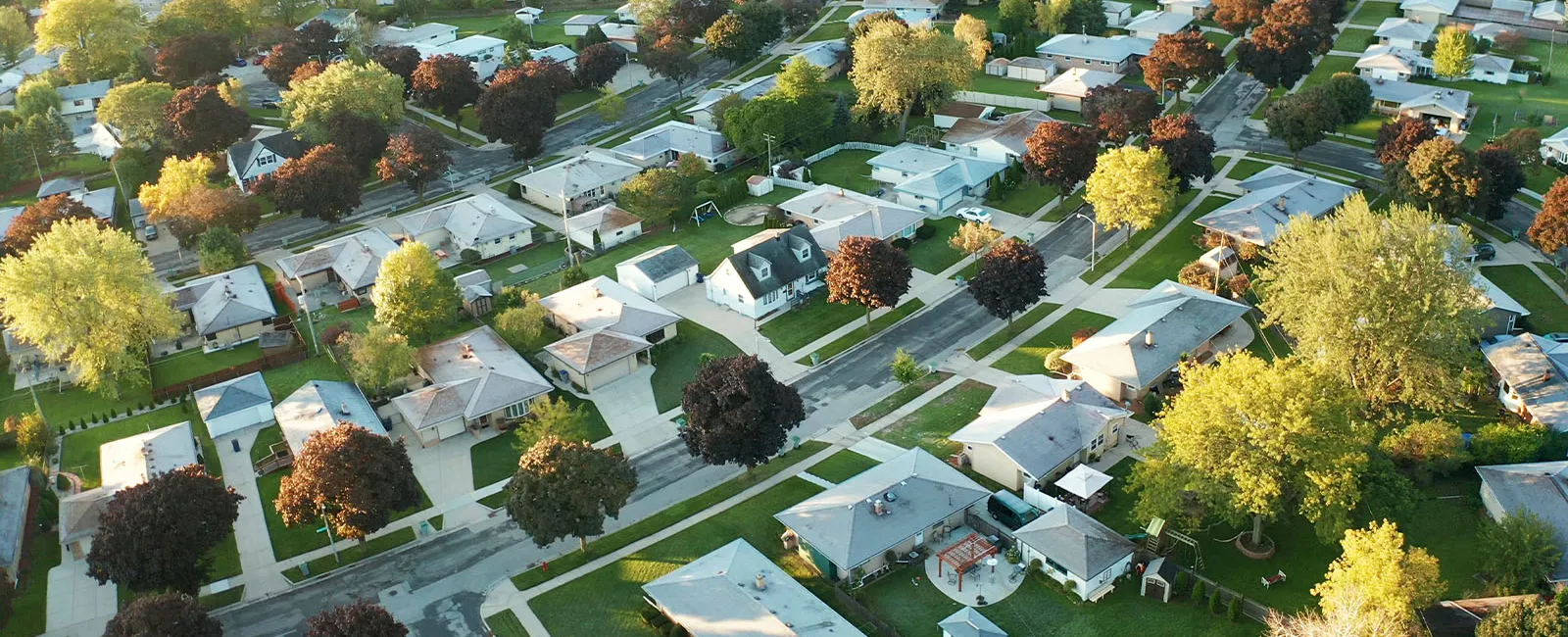
(Source: BatchData / ResiClub Analytics)
Mom-and-Pop Owners Still Dominate SFR — And It's Reshaping the Future of the Industry**
The single-family rental (SFR) market often dominates headlines with stories about institutional investors, large-scale acquisitions, and purpose-built communities. But the reality on the ground looks very different from the public narrative.
According to recent data from BatchData and ResiClub Analytics, nearly 90% of all single-family rentals in the United States are still owned by mom-and-pop landlords — typically defined as those holding between one and five properties.
This fact, often lost in policy debates and media framing, is reshaping the trajectory of the SFR/BTR industry in profound ways. Understanding this dynamic is essential for operators, developers, vendors, and policymakers who want to build products, partnerships, and strategies that reflect how the market actually works — not how it's often portrayed.
The Hidden Backbone of America's Rental Housing
Most people envision institutional portfolios when they think of SFR today. But the long tail of small landlords remains the backbone of the ecosystem:
-
Millions of homeowners accidentally became landlords after COVID-era relocations, inheritances, or delayed home sales.
-
Many own properties in older, desirable neighborhoods where institutional operators do not build or buy.
-
They serve renters who prefer hyper-local, small-scale living environments.
-
They represent the majority of rental housing in suburban markets.
This group brings diversity, flexibility, and neighborhood-level authenticity to the SFR market — but it also creates fragmentation.
Fragmentation Creates Both Strength and Challenge
A market dominated by small owners means:
Strengths
-
Diverse housing stock across ages, styles, and price points.
-
More local control and flexibility for renters.
-
Lower concentration risk compared to institutional ownership.
-
A competitive market where pricing varies property-to-property.
Challenges
-
Inconsistency in maintenance and operations, depending on owner sophistication.
-
Limited adoption of PropTech, leading to inefficiencies and friction.
-
No standardized resident experience, even within the same neighborhood.
-
Inequity in service quality between self-managed units and professionally managed ones.
This fragmentation explains why renters often have drastically different experiences in SFR — and why institutional operators are gaining traction.
The Rise of Professional Operators Is Rewriting Expectations
While small landlords still dominate in volume, the influence of large-scale professional SFR operators is reshaping expectations across the market.
Leading institutional SFR owners with multi-state footprints are setting a new benchmark for:
-
Maintenance response time
-
Amenity quality
-
Resident communication
-
Digital leasing and payment options
-
Community standards
-
Predictable service levels
These operators are demonstrating what's possible when single-family rentals are managed with the same rigor and consistency as multifamily — but with the lifestyle appeal of a detached home.
Renters notice the difference. And their rising expectations spill over into the mom-and-pop landscape, pushing individual owners to upgrade their operations or risk losing tenants.
Purpose-Built BTR Developers Are Changing the Supply Mix
At the same time, the rapid expansion of purpose-built rental communities is creating a new supply category that stands apart from older housing stock.
BTR developers focus on:
-
Durable materials engineered for rental use
-
Efficient floorplans
-
Community amenities
-
Lower maintenance costs
-
Operational ease for future managers
-
Resident-friendly layouts (pets, garages, fenced yards)
This product is elevating what renters expect — and what operators can deliver.
As more BTR communities come online, a growing share of renters will experience professionalized SFR living for the first time, shifting the competitive landscape.
Three Emerging Dynamics to Watch
This tug-of-war between small landlords, professional operators, and purpose-built communities is shaping the future of the industry in three important ways:
1. Technology Adoption Will Create Winners and Losers
Small owners who embrace PropTech platforms — for payments, maintenance, inspections, and leasing — will close the operational gap with institutions. Those who don't may be priced out of competition or face more turnover.
2. Resident Expectations Will Keep Rising
As more residents experience professional management in SFR/BTR communities, expectations around:
-
customer service
-
digital experience
-
maintenance reliability
-
transparency
will rise. This will force the entire industry upward.
3. The "Missing Middle" Is Emerging
We're seeing the rise of a new, fast-growing category:
mid-sized SFR operators with 200 to 2,000 homes.
These operators combine institutional-level systems with local market expertise — giving them a unique competitive advantage.
They're positioned to serve renters who want the professionalism of a large operator without the scale or impersonality of a national brand.
Why This Matters for Vendors & Service Providers
For the companies serving this industry — maintenance tech, materials providers, home services, and digital platforms — the fragmented landscape represents opportunity:
-
Mom-and-pop owners: ripe for technology adoption
-
Mid-sized operators: scaling fast, but still agile
-
Large institutional players: need efficiency, data, and national footprints
-
BTR developers: need supply chain, finishes, and operational integration
Each segment has different needs, pains, and buying behaviors — and the vendors who adapt to each will win market share.
The Takeaway: SFR's Strength Is Its Diversity
The narrative around institutional takeover is compelling, but incomplete. The reality is far more dynamic: a market where small landlords dominate in volume, institutional operators dominate in influence, and purpose-built communities dominate in product quality.
This diversity is what makes the SFR/BTR sector so resilient — and so full of opportunity for those building, operating, and innovating within it.